End Your Bed Bug Problem: The Science Behind Heat Treatment and Its Effectiveness
Bed bugs continue to pose a significant challenge for many residences. Conventional approaches frequently rely on toxic chemicals that create safety issues. Heat treatment offers a viable alternative. By utilizing high temperatures, this method effectively targets all life stages of bed bugs. Understanding the mechanics behind this approach reveals its advantages. What precise factors enable thermal treatment to be so efficient? The insights might reshape how individuals approach pest elimination.
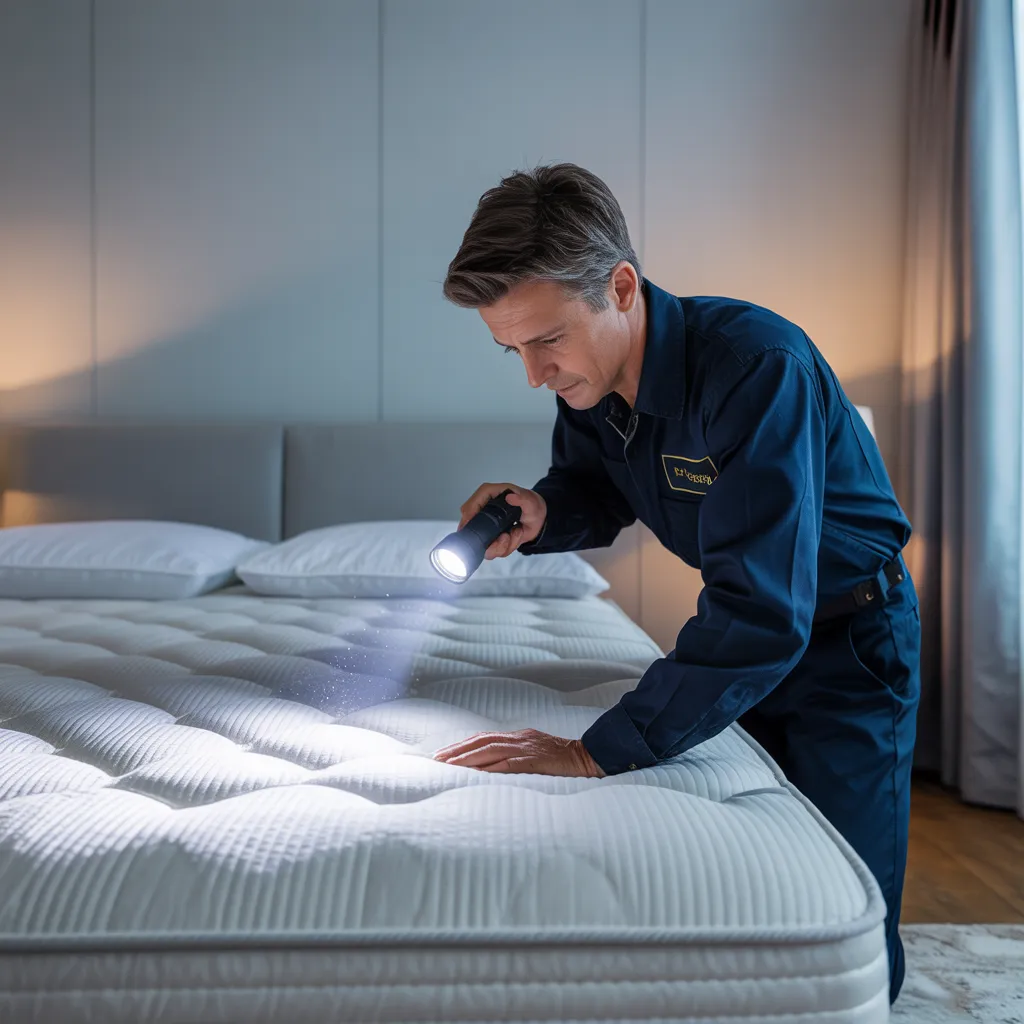
Struggling With Bed Bugs? Find Out How Heat Treatment Can Help
What can homeowners do to effectively fight the ongoing problem of bed bugs? Many are turning to heat treatment as a proven material solution. The process consists of raising the temperature of infested areas to levels lethal for bed bugs, targeting all life stages, from eggs to adults. In contrast to conventional chemical treatments, which often leave harmful remnants and demand multiple applications, heat treatment delivers a more direct and effective method.
Expert pest management companies regularly use advanced tools to ensure uniform heat dispersal throughout the infested space. Homeowners appreciate that this method is non-toxic, making it a better option for households with children and animals. Furthermore, heat treatment frequently leads to a faster outcome, allowing residents to return to their normal routines sooner.
While heat treatment can be an significant investment, its comprehensive nature and proven effectiveness make it a preferred option for individuals facing stubborn bed bug infestations, providing a promising path to reclaiming their homes.
The Science Behind Temperature and Bed Bug Mortality
Comprehending the relationship between temperature and bed bug elimination is critical to comprehending the efficacy of heat treatment. Bed bugs, formally classified as Cimex lectularius, are affected by temperature extremes. Studies show that exposure to temperatures above 118°F (48°C) for a prolonged duration can effectively kill bed bugs in each developmental phase, including eggs. On the other hand, temperatures below 50°F (10°C) can extend their lifespan, allowing them to enter a dormant state.
The deadly impact of heat on bed bugs is attributed to its impact on their physiological functions. High temperatures interfere with cellular functions and cause dehydration, finally causing mortality. Moreover, heat treatment permeates different surfaces, ensuring that hidden infestations are addressed. The effectiveness of this approach stems from its capacity to maintain consistent heat levels across affected areas, eliminating the pests without the use of chemicals, rendering it a favored choice among pest management experts.
The Reason Heat Treatment Eliminates Bed Bugs
Heat treatment is an exceptionally powerful approach for eliminating bed bugs because of its capacity to achieve temperatures that are deadly to every life stage of these insects. As opposed to chemical methods, which bed bugs can become resistant to, heat permeates surfaces and eradicates infestations completely. This approach disrupts the bed bug life cycle, guaranteeing that both adult bed bugs and their eggs are thoroughly addressed.
Elevated Temperature Efficiency
Multiple research studies have shown that high temperatures efficiently destroy bed bugs at all life stages, including eggs, nymphs, and adults. Once subjected to temperatures above 120°F (49°C), bed bugs undergo fatal physiological stress. Thermal energy penetrates multiple surfaces and reaches concealed locations, providing complete coverage. Unlike chemical methods, which may leave residues or fail due to insect resistance, thermal treatment offers a comprehensive solution that eliminates the need for dangerous chemicals. Additionally, the process is rapid, often requiring only a few hours to achieve effective results. This level of efficiency has established heat treatment as a top choice for residential and commercial applications, as it not only addresses present infestations but also decreases the potential for future bed bug outbreaks.
Bed Bug Life Cycle
The efficiency of heat-based treatment against bed bugs is closely linked to their life cycle. Bed bugs pass through several stages: egg, nymph, and adult. Eggs are especially susceptible, as they cannot withstand high temperatures. Once hatched, nymphs and adults are also at risk; however, they can endure lower temperatures for limited timeframes. Heat treatment raises the temperature to levels lethal to all life stages, interrupting their life cycle. At 118°F (48°C), bed bugs start to perish within 90 minutes, while temperatures above 122°F (50°C) can eliminate them within minutes. This complete approach confirms that not only adult bed bugs are eradicated, but also their eggs and nymphs, making heat treatment a proven method for complete extermination.
Chemical Resistance Limitations
A growing number of pest control professionals are progressively aware of the rising chemical resistance of bed bugs. Conventional insecticides, once successful, are progressively failing due to resistance mechanisms in bed bug populations. These bugs can acquire resistance through genetic mutations, making it hard for chemical treatments to completely remove infestations completely. As a result, relying solely on chemicals can result in prolonged infestations and greater costs for homeowners. In contrast, heat treatment avoids this issue by targeting bed bugs with high temperatures that they cannot tolerate. At temperatures above 120°F, bed bugs, including all life stages, are swiftly eliminated within minutes. This method not only guarantees comprehensive extermination but also removes the risk of resistance, making heat treatment a proven solution for bed bug infestations.
Why Heat Treatment Outperforms Chemical Solutions
Although heat treatment and chemical solutions both seek to eliminate bed bugs, heat treatment offers distinct advantages that make it a preferred choice for many. One significant benefit is its ability to eliminate all life stages of bed bugs, including eggs, in a single session. This comprehensive elimination lowers the chances of reinfestation, a frequent problem with chemical treatments that may fail to penetrate all harborage areas.
Additionally, heat treatment is eco-friendly, as it prevents the use of dangerous chemicals that can be a health concern to humans and pets. It also does away with the need for extensive pre-treatment steps, such as clearing out bedding and personal belongings, rendering the treatment process significantly more straightforward.
Furthermore, heat treatment commonly achieves faster treatment outcomes, helping affected individuals to return to their normal routines sooner. Overall, the safety and effectiveness of heat treatment render it a strong substitute for typical chemical approaches in the fight against bed bugs.
Expectations During Heat Treatment
During heat treatment for bed bugs, homeowners can expect a detailed process that includes raising the temperature of the affected area. The treatment typically lasts several hours, ensuring thorough penetration to eliminate pests at every stage of development. After the procedure, notable improvements in the surrounding area, such as increased cleanliness and fewer insect sightings, will be evident.
What To Expect During
Heat treatment for bed bugs involves a detailed and structured procedure intended to eradicate infestations efficiently. In the course of this treatment, the treatment zone will be sealed off to retain heat, guaranteeing that temperatures reach levels lethal to bed bugs at all life stages. Residents should anticipate having personal belongings cleared from the affected space, in addition to the application of specialized tools such as industrial heaters and thermal monitoring devices. Technicians will monitor temperatures closely, guaranteeing consistent temperature spread throughout the treated space. It is necessary for all residents to evacuate the premises for a predetermined timeframe to protect themselves from intense heat. Upon completion, a follow-up inspection may be recommended to confirm the effectiveness of the treatment and verify that no bed bugs remain.
Length Of The Treatment Process
How long can one expect the heat treatment for bed bugs to last? In most cases, the treatment can range from six to eight hours, based on the extent of the affected area and the degree of the infestation. Throughout this period, a temperature range of 120°F to 140°F is sustained to ensure the complete eradication of bed bugs at every life stage. Property owners should expect the full space to reach elevated temperatures, potentially requiring the removal of heat-sensitive items in advance. Once the treatment is complete, a cooling period will ensue, enabling the area to settle back to a safe and normal temperature. Occupants must exit the premises as advised to maintain the best possible results and ensure safety for the duration of the treatment.
Environmental Changes After Treatment
As the heat treatment progresses, notable environmental changes are likely to occur. Temperatures within the treated space will rise steadily, frequently peaking between 120°F and 140°F. Such heat levels efficiently eradicate bed bugs at every stage of development, but it may also necessitate adjustments for the occupants. Belongings such as electronics and fragile materials should be taken out or shielded to prevent potential harm. Furthermore, certain pieces of furniture may require repositioning to ensure uniform heat distribution. This procedure may result in an unpleasant environment, necessitating a temporary move for occupants. Upon completion of the treatment, a detailed inspection and cleaning are critical to ensure all remaining pests have been eradicated, thereby confirming the success of the heat treatment.
Key Steps to Get Ready for Heat Treatment
Getting ready for bed bug heat treatment requires meticulous planning to guarantee safety and effectiveness. Property owners should commence by removing items from the treatment area, including clothing, linens, and personal belongings, to avoid damage and ensure complete heat penetration. It is essential to launder and dry these items on maximum heat to eradicate any lurking bed bugs.
Next, furniture needs to be shifted away from walls to enable unrestricted heat circulation. Moreover, delicate electronics, plants, and perishable items should be transferred to minimize exposure to excessive heat. Pets must be taken to a safe environment during treatment, as they are susceptible to harmful effects.
Ultimately, staying in contact with the pest control specialist is essential for comprehending the personalized directions suited to your particular case. Following these steps will ensure the heat treatment process reaches its full potential, ensuring your home remains completely free of bed bugs.
Questions Our Customers Often Ask
How Long Does Heat Treatment Take to Eliminate Bed Bugs?
Heat treatment generally requires six to eight hours to completely eliminate bed bugs. This process requires maintaining specific temperatures for a sustained duration, ensuring that all life stages of the pests are eradicated.
Could My Belongings Be at Risk During Treatment?
Throughout the heat treatment process, belongings face a minimal level of risk. That said, objects that cannot withstand high temperatures, such as electronics or certain fabrics, are at risk of being damaged. Taking the right precautions can effectively reduce these risks.
Is It Safe for Pets to Stay in the Home During Heat Treatment?
Animals ought not to be left in the home during heat treatment. The high temperatures could pose risks to them, so it's advisable for pet owners to ensure their pets are kept in a different location during the treatment.
Can Heat Treatment Eliminate All Life Stages of Bed Bugs?
That's correct, heat-based treatment thoroughly combats every stage of the bed bug life cycle, encompassing eggs, nymphs, and adults. These elevated temperatures permeate different harborage points, ensuring thorough extermination and preventing future infestations.
How Frequently Should I Plan Heat Treatments for Prevention?
Arranging heat treatments every six to twelve months is suggested for prevention. This treatment interval helps to eliminate any potential infestations before they escalate, ensuring a preventive approach to preserving a bed bug-free environment in residential spaces.